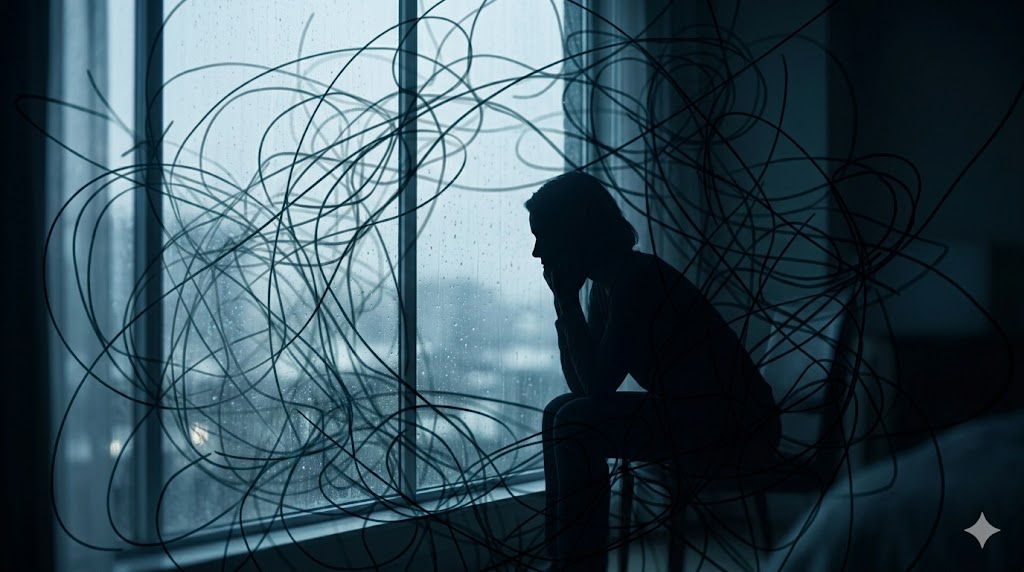
Sadness and depression are often used interchangeably. They shouldn't be. Sadness is a normal, healthy human emotion — it arises in response to loss, disappointment, or pain, and it passes. Depression is a clinical condition that reshapes how a person thinks, feels, and functions across every area of life. Confusing the two leads to two kinds of mistakes: dismissing real depression as "just being sad" and pathologising ordinary grief as something that needs fixing.
Understanding the difference matters — both for yourself and for how you support the people around you.
What Sadness Is
Sadness is one of the six basic human emotions, present across all cultures and recognisable even in infants. It arises in response to specific triggers: a relationship ending, a disappointment, a failure, a loss. It hurts — genuinely, sometimes deeply — but it has a coherent relationship to what caused it. The sadness makes sense in context.
Importantly, sadness is fluid. It ebbs and flows. There are moments of relief, of connection, of laughter even in the midst of grief. And it moves: with time, with support, with processing, sadness tends to shift. Most people find that after a loss, the acute pain gradually softens into something more manageable, even if a quiet grief remains.
Sadness also preserves the capacity for pleasure. You can be deeply sad about something and still enjoy a meal, feel warmth towards a friend, or find moments of beauty. This is an important distinction.
What Depression Is
Depression — specifically major depressive disorder — is not an emotion. It's a clinical syndrome characterised by a cluster of symptoms that persist for at least two weeks, are present most of the day nearly every day, and represent a significant change from previous functioning.
The core symptoms, according to diagnostic criteria, include:
- Persistent low mood or emptiness — not tied to any specific event, or vastly disproportionate to one
- Anhedonia — the loss of pleasure or interest in activities that previously brought enjoyment. This is one of the most distinctive features of depression and the one most unlike ordinary sadness.
- Fatigue and loss of energy — even simple tasks feel exhausting
- Cognitive impairment — difficulty concentrating, making decisions, or remembering things
- Changes in sleep — insomnia or sleeping far too much
- Changes in appetite or weight
- Feelings of worthlessness or excessive guilt
- In severe cases, thoughts of death or suicide
Sadness is usually reactive (tied to a cause), fluid (changes across the day), and leaves capacity for pleasure intact. Depression is often pervasive (colours everything), persistent (doesn't lift with good news or distraction), and eliminates the ability to feel pleasure. If someone says they haven't felt enjoyment in anything for weeks — not even things they used to love — that's a significant signal.
Why Depression Doesn't Always Look Like Sadness
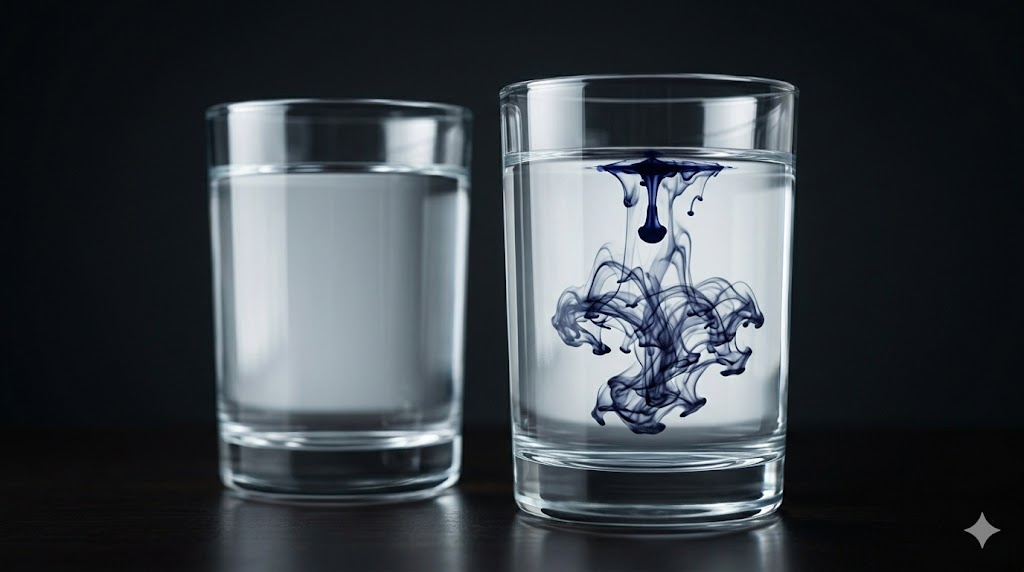
One reason depression is so often missed — by the person experiencing it and by those around them — is that it doesn't always present as obvious sadness. Some people describe depression less as feeling sad and more as feeling nothing: a grey emptiness, a numbness, a flatness. Others present with irritability, anger, or physical complaints — fatigue, pain, digestive issues — without recognising an emotional component at all.
Depression in men in particular is frequently masked by irritability, risk-taking behaviour, or throwing themselves into work. Depression in adolescents often looks like withdrawal, anger, or declining performance rather than visible sadness. These presentations are just as real, and just as worth taking seriously.
When to Seek Help
Normal sadness — even prolonged grief after significant loss — does not necessarily require professional treatment. Time, support, and self-care are often sufficient. But several situations warrant reaching out to a professional:
- Symptoms persist for two weeks or more without improvement
- The low mood feels disconnected from any identifiable cause
- You've lost interest in things you used to care about
- Daily functioning — work, relationships, self-care — is being significantly affected
- You're having thoughts of self-harm or suicide
- Those close to you have expressed concern about a change they've noticed
If you or someone you know is experiencing thoughts of suicide or self-harm, please reach out immediately. In India: iCall: 9152987821. In the US: 988 Suicide and Crisis Lifeline. In the UK: Samaritans: 116 123. You don't have to be in immediate danger to call — these lines are also for people who are struggling and need to talk.
Depression Is Treatable
This is perhaps the most important thing to understand: depression responds well to treatment. Psychotherapy — particularly CBT — has strong evidence for moderate depression. Medication is effective for many people. The combination is often more powerful than either alone. Most people who seek treatment see significant improvement.
The hardest part is often the first step: recognising that what you're experiencing isn't just sadness that should be pushed through, and that reaching out isn't weakness but the most sensible response to an illness that responds to care.