
Exercise is usually framed as something you do for your body. It is. But the effects on the brain are, if anything, more profound — and more immediate. A single bout of moderate exercise measurably improves mood, reduces anxiety, sharpens focus, and boosts working memory within minutes. Done consistently, it restructures the brain itself.
This is not motivational language. It's neuroscience.
What Happens in Your Brain During Exercise
When you exercise, several things happen simultaneously in your brain:
Neurotransmitter release. Exercise triggers the release of dopamine, serotonin, and norepinephrine — the same neurotransmitters targeted by antidepressant medications. This is why even a single session produces a measurable mood boost that can last several hours. The effect is real, biological, and not dependent on achieving any particular fitness level.
Endorphin and endocannabinoid release. The "runner's high" is real, though it's caused less by endorphins (which don't cross the blood-brain barrier efficiently) and more by endocannabinoids — molecules that bind to the same receptors as cannabis, producing feelings of calm euphoria and reduced anxiety. You don't need to run a marathon to experience this; moderate aerobic exercise is sufficient.
BDNF production. Brain-Derived Neurotrophic Factor is perhaps the most important molecule for understanding exercise's long-term effects on the brain. Often called "Miracle-Gro for the brain," BDNF stimulates the growth of new neurons and synapses, protects existing neurons from damage, and enhances learning and memory. Exercise is the most powerful known stimulator of BDNF production.
A meta-analysis of 49 randomised controlled trials found that exercise was significantly more effective than control conditions for reducing depression — with effect sizes comparable to antidepressant medication. A landmark study found that 30 minutes of aerobic exercise three times per week was as effective as sertraline (a common antidepressant) for treating moderate depression after 16 weeks — and produced lower relapse rates at 10-month follow-up. The people who maintained exercise continued to improve; many who stopped medication relapsed.
The Hippocampus: Exercise's Most Visible Impact
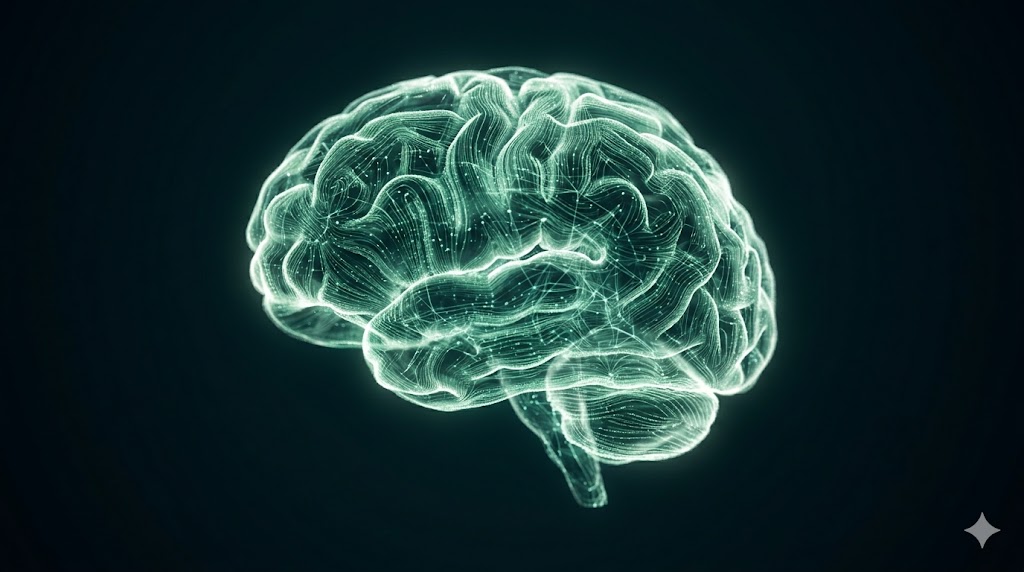
The hippocampus — the brain region central to memory formation and emotional regulation — typically shrinks with age, stress, and depression. Exercise reverses this. Studies consistently show that aerobic exercise increases hippocampal volume, even in adults in their 60s and 70s. This is neurogenesis: the growth of new brain cells in a region once thought to be fixed in adulthood.
The practical implications are significant. Larger hippocampal volume correlates with better memory, more effective emotional regulation, and reduced risk of depression. Exercise doesn't just treat symptoms — it changes the physical substrate of the brain in ways that make you more resilient to future stress.
How Much Exercise, and What Kind?
The good news is that the threshold for meaningful mental health benefit is lower than most people think.
- Frequency: Three to five sessions per week produces the most consistent benefits. Daily exercise is beneficial but less important than consistency over time.
- Duration: 20–30 minutes per session is sufficient for significant mental health effects. More is not necessarily better — beyond 60–90 minutes, the benefits plateau and the risk of fatigue and injury increases.
- Intensity: Moderate aerobic exercise (brisk walking, jogging, cycling, swimming) has the strongest evidence base for mood and anxiety. High-intensity exercise produces stronger endorphin and BDNF responses but can be counterproductive if it becomes aversive and undermines consistency.
- Type: Aerobic exercise has more evidence than resistance training for depression and anxiety, though resistance training has its own significant benefits for self-efficacy, body image, and sleep quality. Combining both is ideal.
If you're dealing with depression or low motivation, the advice to "just exercise" can feel impossibly out of reach. Start with the minimum viable dose: a 10-minute walk outside. The research on even brief bouts of walking shows meaningful anxiety reduction. The goal isn't fitness — it's one foot in front of the other, enough times that the neurochemistry starts to shift. From there, momentum builds.
Exercise as Part of Mental Health Care
Exercise is not a replacement for therapy or medication when those are needed. But it is one of the few interventions that produces immediate, measurable, and lasting changes in brain function — with no side effects, no cost, and no prescription required. For mild to moderate anxiety and depression, it is often significantly underused as a first-line strategy. For more severe conditions, it's a powerful complement to clinical treatment.
Your brain is plastic. It changes in response to what you repeatedly do with your body. Movement — consistent, sustained, moderate movement — is one of the most reliable ways to push that change in a direction that serves you.